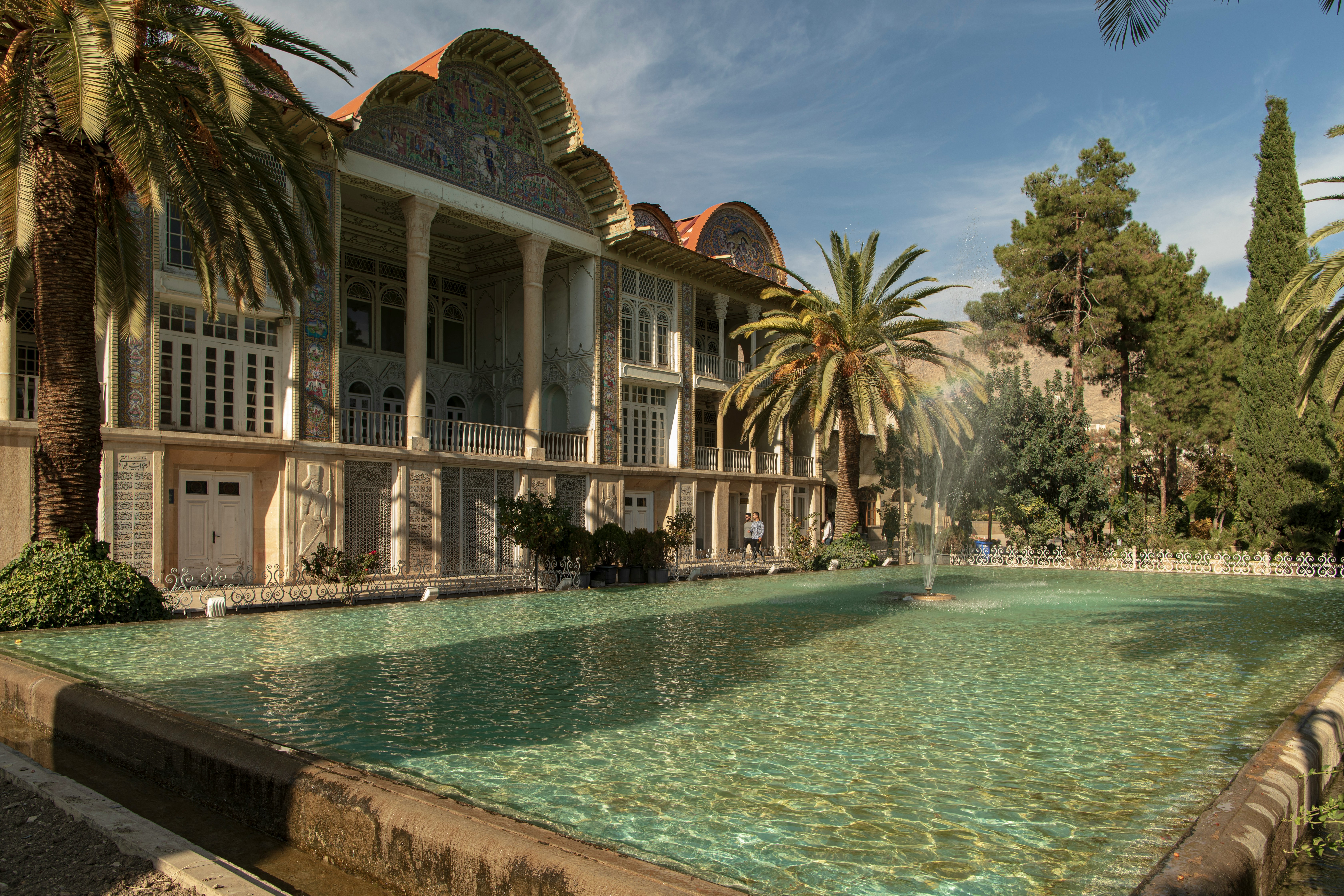
Shiraz, a city of color and culture
Shiraz is the fifth-most-populous city of Iran and the capital of Fars province, which has been historically known as Pars (پارس) and Persis. As of the 2016 national census, the population of the city was 1,565,572 people, and its built-up area with Sadra was home to almost 1,800,000 inhabitants. A census in 2021 showed an increase in the city's population to 1,995,500 people. Shiraz is located in southwestern Iran on the rudkhaneye khoshk (lit.'dry river') seasonal river. Founded in the early Islamic period, the city has a moderate climate and has been a regional trade center for over a thousand years. The earliest reference to the city, as Tiraziš, is on Elamite clay tablets dated to 2000 BCE. The modern city was founded by the Sasanian dynasty and restored by the Umayyad Caliphate in 693 CE and grew prominent under the successive Iranian Saffarid and Buyid dynasties in the 9th and 10th–11th centuries, respectively. In the 13th century, Shiraz became a leading center of the arts and letters, due to the encouragement of its ruler and the presence of many Persian scholars and artists. Two famous poets of Iran, Hafez and Saadi, are from Shiraz, whose tombs are located on the north side of the current city boundaries.
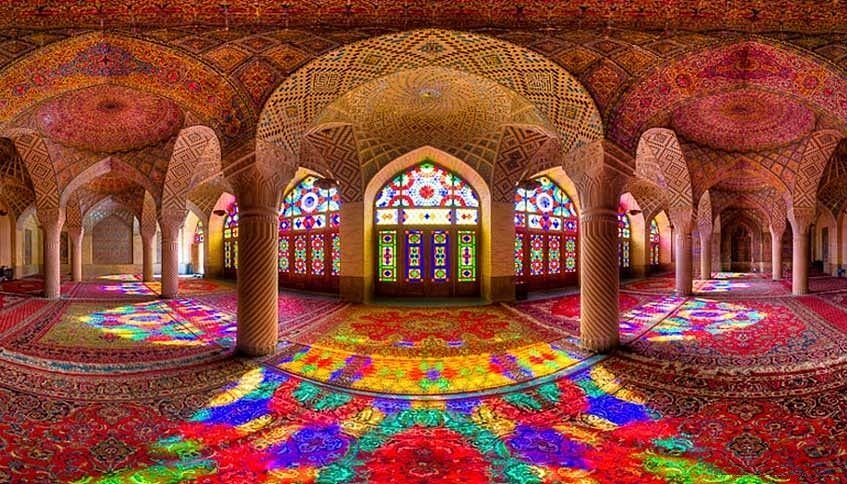
Nasir al-Mulk Mosque
Nasir al-Mulk Mosque also known as the Pink Mosque (Persian: مسجد صورتی, romanized: Masjed-e Surati), is a mosque located in Shiraz, in the province of Fars, Iran. Completed in 1888 CE, the Qajar era mosque is located in the Gowd-e Araban district of Shiraz, south of Lotfali Khan Zand Street, next to the Shāh Chérāgh Mosque. The mosque includes extensive stained glass in its façade, and displays other traditional elements such as the Panj Kāse ("five concaved") design. The mosque was added to the Iran National Heritage List in 1955, administered by the Cultural Heritage, Handicrafts and Tourism Organization of Iran. The mosque is a major tourist attraction in Shiraz, especially when the light hits the stained glass at sunrise.
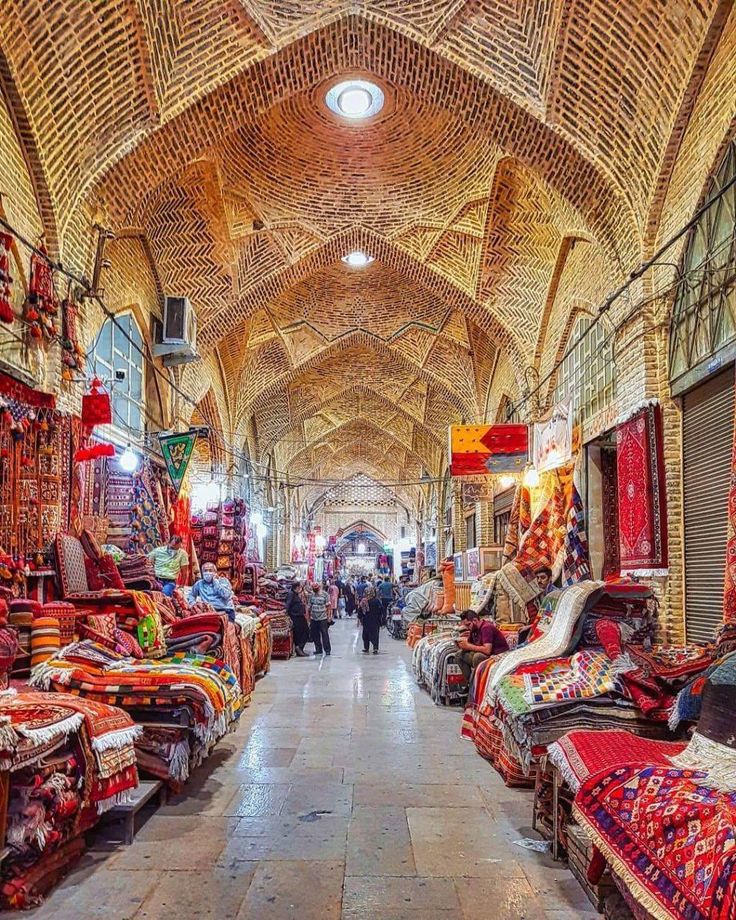
Vakil Bazaar
Spread out over two parts, north and south of Zand Street, you can visit Shiraz’ Vakil Bazaar. The southern part is the most interesting, so you can skip the northern part if you’re pressed for time. When you visit a bazaar in Iran you can usually expect a real feast for the senses, and such is the case here at the Vakil Bazaar as well. Smell the herbs and spices, buy some freshly cooked food from one of the food stalls and take a break in the tea house. If you’re looking for a carpet to take home with you, then you might be able to find one here too.
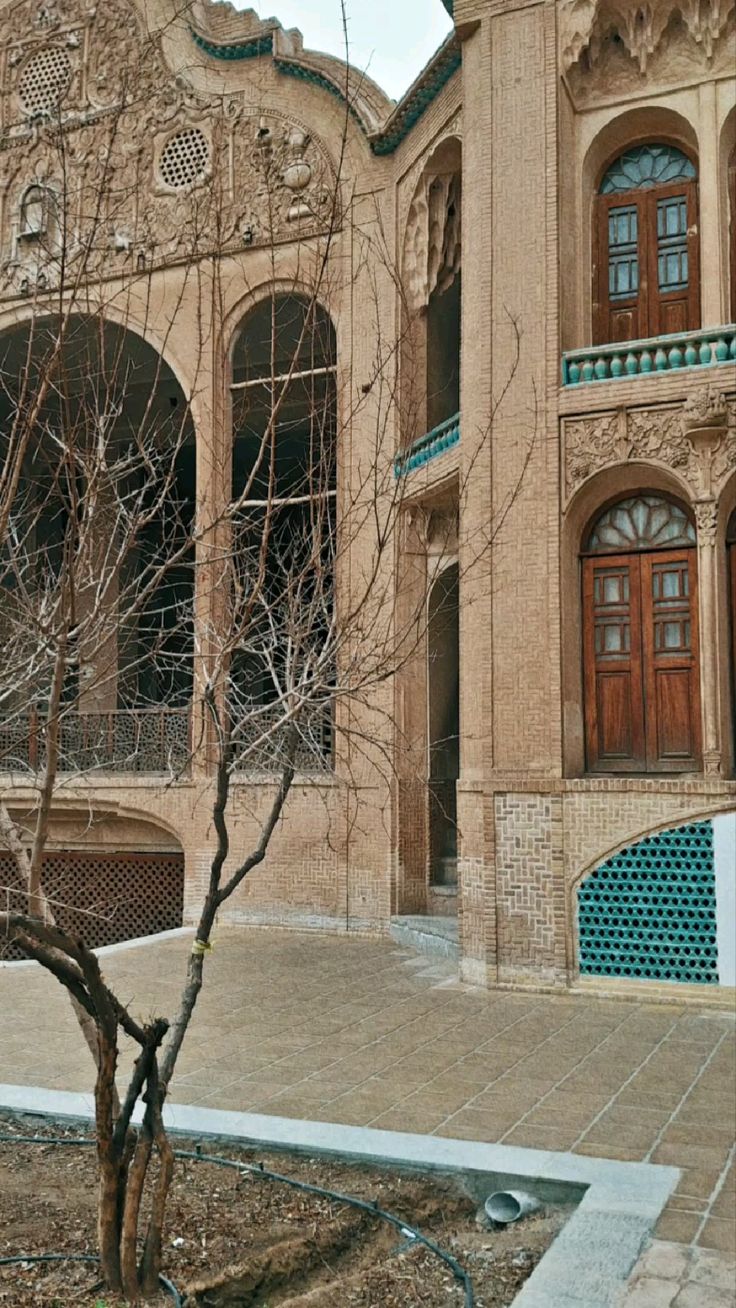
Shiraz Historical Houses
Spread out over two parts, north and south of Zand Street, you can visit Shiraz’ Vakil Bazaar. The southern part is the most interesting, so you can skip the northern part if you’re pressed for time. When you visit a bazaar in Iran you can usually expect a real feast for the senses, and such is the case here at the Vakil Bazaar as well. Smell the herbs and spices, buy some freshly cooked food from one of the food stalls and take a break in the tea house. If you’re looking for a carpet to take home with you, then you might be able to find one here too.